Nobody plans their wedding timeline around the videographer - nor should they. But after filming many weddings, I can tell you the timeline decisions that quietly make films better also make days feel better. Less rushing, more light, more time actually enjoying it.
Here's how the timing decisions look from behind the camera, chronologically through the day.
The morning: give prep more time than you think
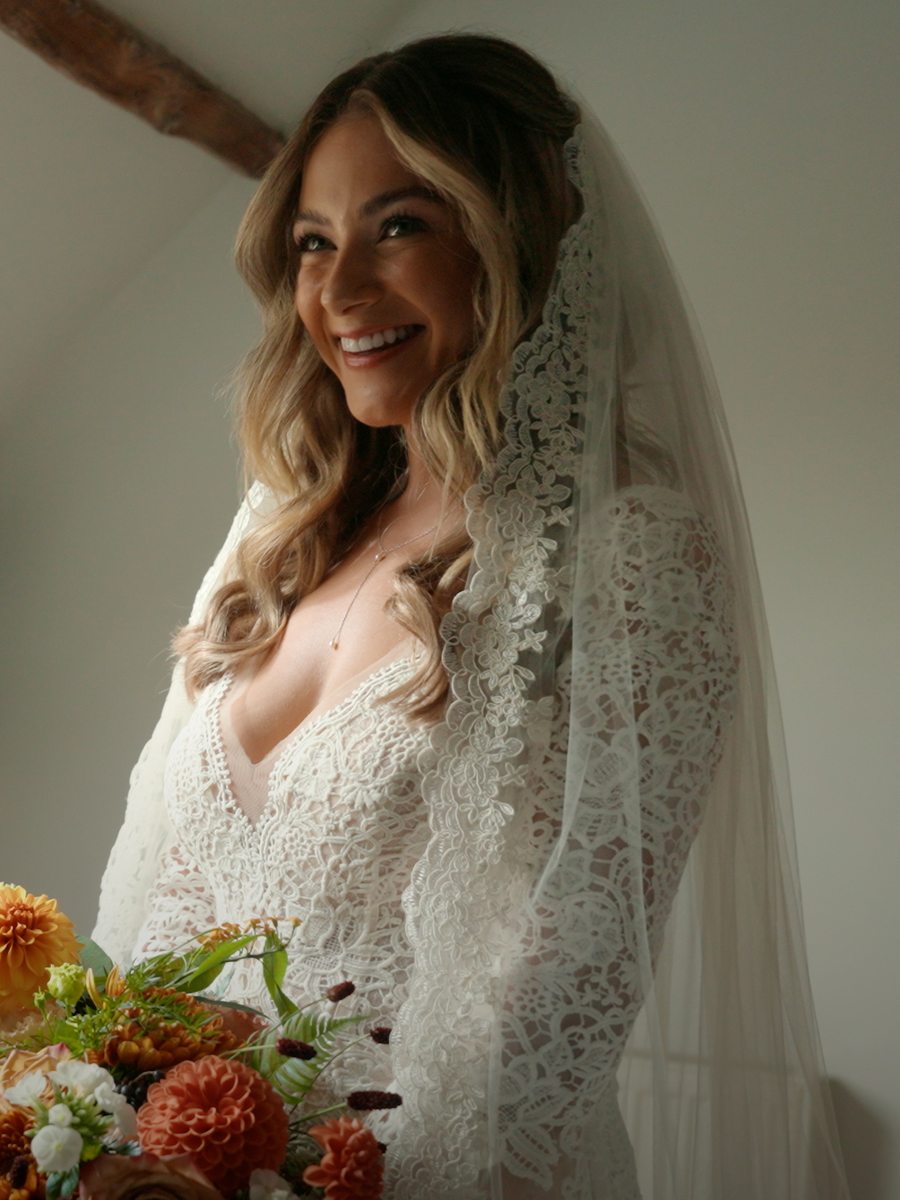
Morning prep produces some of the most treasured footage in any wedding film - the nervous laughter, your people around you, the quiet moment before everything begins. It's also the part couples most often squeeze.
The fix is simple: work backwards from your ceremony and add thirty minutes of buffer to whatever your hair and makeup team quotes. That buffer is where the film's calmest, loveliest moments happen - letters being read, a parent seeing you dressed for the first time. Rushed prep shows on camera; relaxed prep glows.
Ceremony timing is really a light decision
The single biggest timeline factor for your film is what the light is doing when you're outside afterwards. A 1pm summer ceremony puts your drinks reception under harsh overhead sun; a 2:30-3pm ceremony walks you naturally toward softer afternoon light and keeps golden hour available for portraits before dinner.
In autumn and winter, flip the logic: earlier ceremonies (12-1pm) mean you're done with the formalities while there's still daylight to film in. If your venue offers a choice of ceremony times, this is the decision worth thirty seconds' thought.
Golden hour: the twenty minutes that make the film
The hour before sunset is when every venue in Essex looks its best - warm, soft, flattering light that no amount of equipment can fake at 1pm. All I ever ask couples for is fifteen to twenty minutes of it.
The trick is planning it in advance rather than deciding on the day. Your coordinator and I will know the sunset time; we slot a short escape between courses or before speeches. Couples consistently say it was their favourite part of the day - the only twenty minutes they spent alone together.
Speeches: before or after dinner?
Filming-wise, before dinner wins. Speakers are nervous but sharp, guests are attentive, and nobody's three courses deep. After-dinner speeches are warmer but looser - and the golden-hour window often dies waiting for dessert.
The compromise more couples are choosing: one speech before dinner, the rest after. It spreads the emotion through the evening and takes pressure off nervous speakers. On film, it works beautifully.
The buffer rule
Every wedding runs late. Not because anything goes wrong - because joy takes longer than schedules allow. The days that feel effortless are the ones with fifteen-minute buffers between every major beat.
Build the slack in, and the day breathes. And if you want a second pair of experienced eyes on your running order, it's part of what I do with every couple before the day - get in touch and we'll make the timeline work for the light your venue actually gets. For venue-specific timing notes, my venue guides cover how the light behaves at dozens of venues across Essex, Kent and London.